
Reviews
How Different Terrains Shape the Design of Men’s Work Boots From Urban Sites to Remote Landscapes

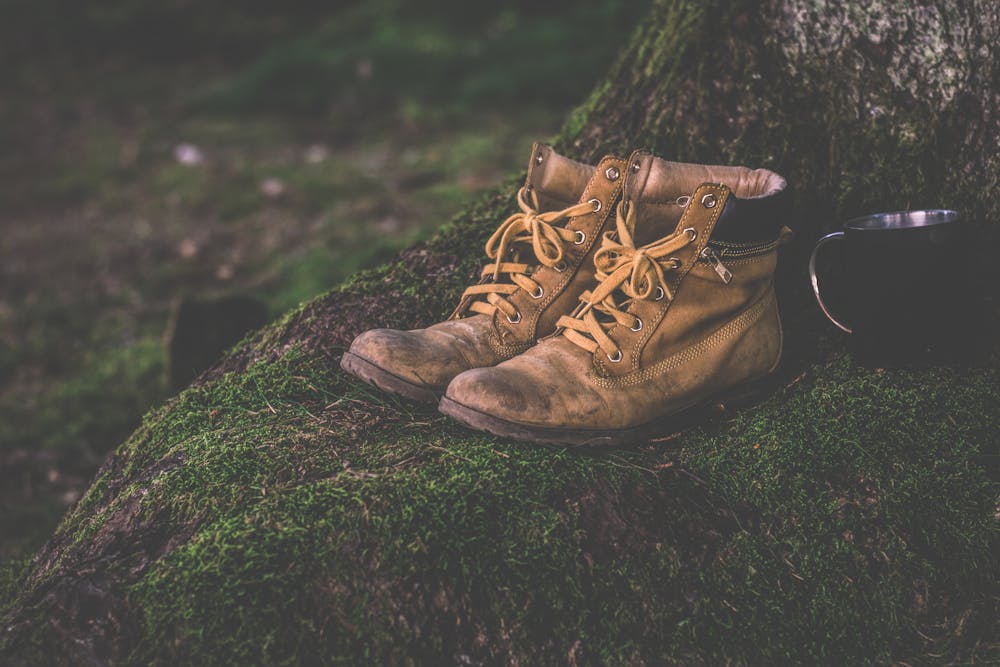
Work environments vary widely, and the terrain beneath a worker’s feet has a direct effect on comfort, balance, and safety. Men’s work boots are designed with this reality in mind. Their structure, tread patterns, materials, and internal support systems evolve to meet the demands of different surfaces. An urban construction site, a coastal maintenance area, a warehouse floor, and a remote landscape each introduce challenges that shape the design of footwear built for long hours and physical effort.
Across Australia, workers move through environments that shift from concrete to gravel, sand to steel platforms, wet ground to dry heat. The differences in these terrains influence how work boots must perform. A boot that works well in an indoor facility may not provide the same level of stability outdoors. A boot suited to rocky or uneven surfaces may feel too rigid on smooth flooring. The design must respond to the terrain in ways that help the wearer maintain confidence, balance, and endurance throughout the day.
Urban Sites and the Demands of Hard Ground
Urban work settings often involve consistent exposure to hard surfaces such as concrete, bitumen, and steel. These environments require work boots that excel at shock absorption and long-term comfort. When feet repeatedly strike hard ground, the impact travels upward through the knees, hips, and lower back. Without proper cushioning, fatigue builds quickly.
Boots designed for urban conditions often use softer midsole materials that compress gently under weight. This reduces pressure and helps maintain comfort during long periods of walking or standing. Outsoles also play an important role. Rubber compounds with good flexibility help the foot move naturally across rigid ground.
Slip resistance is another priority. Urban sites may have smooth floors, wet patches, or dusty areas that create unexpected hazards. Tread patterns for these surfaces use closer-spaced grooves that grip flat ground effectively without becoming too aggressive. The goal is a secure footing without unnecessary rigidity.
These features allow workers to stay stable and supported even during long hours on unforgiving surfaces.
Coastal and Wet Environments
Coastal regions, marine maintenance areas, and wet environments introduce moisture, salt exposure, and shifting ground. In these settings, water resistance and grip become essential. Boots must keep moisture out while staying breathable enough to prevent overheating.
Materials suitable for coastal work often include treated leather, sealed seams, or synthetic uppers that resist water absorption. Outsoles for wet environments feature wider channels that quickly disperse water, reducing the risk of slipping. The tread is designed to maintain traction even on slick ground.
Salt exposure can degrade materials over time. Designs suited to coastal conditions use components less prone to corrosion, including composite toe caps and rust-resistant hardware. These details help the boots remain durable despite constant exposure to moisture.
Comfort remains important as well. Waterproof materials can sometimes restrict airflow, so breathable linings are used to maintain a balance of airflow inside the boot. The combination of water protection and internal comfort supports extended wear.
Remote and Rugged Landscapes
Remote areas present some of the toughest terrains for work boots. Rocky ground, uneven slopes, gravel paths, and loose soil require footwear that is stable, protective, and abrasion-resistant. A boot designed for hard, unpredictable terrain must offer support that goes beyond basic cushioning.
High-cut designs help stabilise the ankle, reducing the risk of twisting on uneven ground. The outsoles use deep, widely spaced lugs that dig into soil or gravel, improving grip and preventing slipping. These lugs shed debris easily, helping maintain consistent traction.
Toe and heel areas often feature reinforced protection to guard against rocks and impact. Midsoles may use firmer materials that provide stability without compromising comfort. The upper materials must resist tearing or abrasion from sharp edges or rough surfaces.
In rugged conditions, durability becomes as important as comfort. Boots must hold their structure despite repeated contact with harsh terrain. This reliability gives workers the confidence to navigate challenging ground safely.
Warehouse and Indoor Industrial Floors
Indoor industrial settings have their own terrain demands. Smooth concrete floors, polished surfaces, and constant movement require boots that prioritise slip resistance and lightness. Excessively heavy boots can create fatigue, especially when workers spend long shifts walking or lifting.
Boots designed for indoor conditions often use lighter materials, flexible soles, and cushioned footbeds that support prolonged standing. The tread patterns are shallower to maintain strong contact with polished floors, preventing slips while allowing free movement.
Electrical safety considerations may also influence design. Some indoor work boots use non-conductive materials to protect against electrical hazards. Others include static dissipating features suited to environments with sensitive equipment.
In these settings, comfort and repetition shape design choices. The boots must support continuous motion while preventing strain.
Transitioning Between Terrains
Many workers move between different terrains throughout the day. A single shift may involve indoor floors, outdoor pathways, uneven ground, or temporary job site surfaces. Boots that adapt to multiple conditions must maintain stability without sacrificing comfort.
Hybrid designs combine features from different categories. They may use medium-depth tread patterns that grip varied surfaces, durable uppers that withstand outdoor wear, and cushioned midsoles suited for hard floors. These multifunctional boots help workers remain steady across unpredictable routes.
Flexibility in design ensures the boots support natural movement. Workers do not have to adjust their stride or posture based on the ground beneath them. The boots deliver reliable performance wherever the job takes them.
How Temperature and Climate Affect Terrain and Boot Design
Climate influences terrain, which directly affects footwear. Hot ground increases surface hardness and affects materials. Cold conditions stiffen outsoles and reduce flexibility. Wet seasons introduce mud and soft soil. Dry seasons produce dust that creates slip risks on smooth surfaces.
Designers account for these factors through material selection. Heat-resistant outsoles maintain grip in high temperatures. Insulated linings support comfort in colder areas. Breathable materials manage sweat and prevent discomfort during warmer months.
Different climates across Australia highlight the need for boots that respond to changing environmental conditions. The terrain does not remain constant, and effective work boots must adapt accordingly.
The Terrain Shapes the Boot
The design of men’s work boots reflects a deep understanding of how terrain influences movement, stability, and protection. Every feature responds to a specific requirement. Cushioning for hard surfaces, grip for loose soil, waterproofing for wet ground, durability for rugged landscapes, and flexibility for indoor work all stem from the conditions workers face daily.
Terrain shapes the boot, and the boot, in turn, supports the worker. When footwear aligns with the demands of the environment, comfort increases, strain decreases, and confidence rises.
For readers interested in workwear shaped by a thoughtful understanding of how the environment affects performance, Shopica includes options that follow this same practical approach to support and daily ease.


Why Daycares & Schools Are Increasing Commercial Air Duct Cleaning To Protect Child Health This Winter

How Different Terrains Shape the Design of Men’s Work Boots From Urban Sites to Remote Landscapes

4 Houston firefighters injured after fire engine struck by 18-wheeler

Cyclones across South and Southeast Asia leave over 1,100 dead
-
 World1 week ago
Ethiopian volcano erupts for first time in thousands of years
-

 Legal4 days ago
Utah Amber Alert: Jessika Francisco abducted by sex offender in Ogden
-

 US News3 days ago
Explosion destroys home in Oakland, Maine; at least 1 injured
-

 Health4 days ago
Mexico’s September human bird flu case confirmed as H5N2
-

 World4 days ago
Woman killed, man seriously injured in shark attack on Australia’s NSW coast
-

 Legal1 week ago
Knife-wielding man shot dead by police at St. Louis airport
-
 US News3 days ago
Earthquakes rattle area between Salinas and Hollister, California
-

 Legal10 hours ago
15 people shot, 4 killed, at birthday party in Stockton, California