
Reviews
How to Sell Industrial Parts and Recycled Materials From Your Business (2025 Guide)

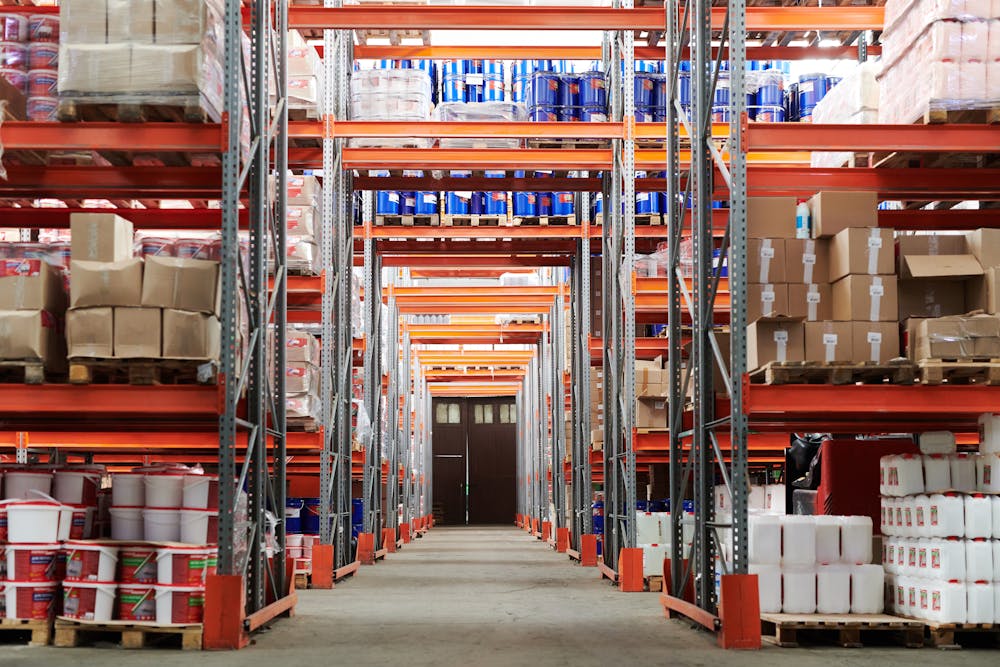
Whether you run a factory, workshop, construction company, or repair facility, you’re probably sitting on a goldmine you’ve overlooked: unused industrial parts, surplus equipment, scrap metals, and recyclable materials.
Selling these items doesn’t just clear space — it can create a new revenue stream, reduce disposal costs, and push your organisation’s sustainability score through the roof.
Here’s a complete guide to doing it properly.
1. Start With an Inventory Audit
Before you can sell anything, you need to know what you’ve got.
List all items, including:
- Spare parts
- Overstocks
- End-of-line items
- Obsolete machinery
- Scrap metals (aluminium, copper, brass, steel, etc.)
- Plastics, cardboard, and other recyclable materials
- Industrial by-products
For each item, note:
- Condition (new, used, repairable, for scrap)
- Quantity
- Estimated value
- Storage location
This becomes your sellable inventory list — your foundation for everything else according to NRIParts.
2. Categorise Your Items by Sales Channel
Different items sell best through different channels.
A) High-value parts & equipment
Sell via:
- B2B marketplaces (MachineryTrader, EquipNet, SurplusRecord)
- Industry-specific Facebook Groups / LinkedIn
- Your own website or landing page
- Local industrial resellers
B) Scrap metals & recyclable materials
Sell via:
- Local scrap yards
- Metal recycling companies
- Bulk contract recyclers
- Manufacturers who buy recycled feedstock
C) Mixed or lower-value items
Sell via:
- eBay
- Craigslist / Gumtree
- Local classified ads
- Auction houses
Matching the right product to the right channel dramatically boosts ROI.
3. Determine the Market Value
Value varies based on:
- Condition
- Demand
- Material type
- Weight (for metals)
- Current market price (metal prices fluctuate weekly)
How to research quickly:
- Check competitor listings
- Call local scrap yards for per-ton or per-kg rates
- Check auction results
- Use equipment valuation tools
- Check eBay sold listings for used parts
Aim to price competitively but profitably.
4. Clean, Test, and Photograph Everything
Presentation matters, even in industrial sectors.
Before listing:
- Clean parts
- Remove dust, oil, labels, corrosion
- Test machinery or note “untested” clearly
- Take clear photos from multiple angles
- Record serial numbers and model details
- Prepare spec sheets if available
Good photos and accurate descriptions increase trust and reduce questions.
5. Build Clear, Detailed Listings
A strong listing includes:
- Item name
- Manufacturer + model number
- Condition
- Technical specifications
- Quantity available
- Pricing (per unit or per lot)
- Warranty (if any)
- Whether you can arrange shipping or pickup
- Contact information
For scrap or recycle items:
- Weight
- Material type
- Purity
- Contamination levels
- Packaging and storage method
The clearer your listing, the faster your items sell.
6. Decide How You’ll Handle Logistics
Industrial parts and scrap materials require proper logistics.
Options include:
- Buyer pickup
- Your delivery truck
- Courier services (DHL, UPS, pallet networks)
- Freight companies
- Bulk scrap collection
For large or heavy equipment, ask buyers to arrange their own freight.
If selling scrap, many recyclers such as Verde offer free pickup once you meet a minimum weight.
7. Create Recurring Revenue With Bulk Buyers
Once you start selling, reach out to companies that may want repeat access to your waste stream or surplus parts.
Examples:
- Metal recyclers
- Plastic reprocessors
- Automotive dismantlers
- Fabricators
- Machine shops
- Exporters who buy pallets of mixed parts
Set up:
- Monthly supply agreements
- Guaranteed tonnage contracts
- Standing orders
This turns “waste” into a long-term income source.
8. Follow Legal & Environmental Compliance
Ensure compliance with:
- Waste transfer regulations
- Hazardous material disposal rules
- Export laws
- Safety protocols for equipment reuse
Keep documentation such as:
- Waste transfer notes (for the UK/EU)
- Hazardous material declarations
- Proof of recycling
This protects your business if audited.
9. Promote Your Sellable Inventory
Don’t wait for buyers to stumble upon you — market the stock.
Ways to promote:
- Post inventory lists on LinkedIn
- Email your B2B contacts
- Add a “Surplus Inventory” page to your website
- Use Facebook Marketplace
- Offer bundle deals
- Attend local manufacturing or recycling meetups
Visibility = sales.
10. Track Profits & Refine Your Strategy
Once you’ve sold a few batches, track:
- What sells fastest
- What fetches the highest margin
- Which channels perform best
- What buyers request most often
Then adjust your approach.
Most businesses end up creating a systematic monthly sell-off process that pays for itself.
Final Thoughts
Selling industrial parts and recycled materials is one of the easiest and most overlooked ways to increase cash flow while boosting sustainability. With the right process — inventory, pricing, presentation, and promotion — you can turn unused items into ongoing revenue.


Death penalty possible in White House National Guard shooting case

5 women among 6 injured in targeted acid attack in Jersey City, New Jersey

U.S. strike kills 1 on alleged drug vessel in Eastern Pacific; 2 survive

Suspect and hostage dead after stolen vehicle pursuit in Oklahoma
-

 World1 week ago
Man seriously injured in attempted beheading in Northern Ireland
-

 World3 days ago
Tren de Aragua leader killed in U.S. strike in Venezuela
-

 World3 days ago
Woman dies after being thrown from bridge without bungee cord in Brazil
-

 Legal6 days ago
Arizona man convicted of threatening to kill Trump and Harris
-

 Legal6 days ago
Montana man charged with threatening Hawaii governor and his family
-

 Legal6 days ago
Man kills 4 family members at home in Livonia, Michigan
-

 US News1 week ago
Man attacked by shark at Florida Navy base
-

 Legal1 week ago
North Carolina teen sentenced for school shooting threats over Charlie Kirk posts