
Reviews
Ilia Nicolaevich Zavialov: Geopolitics as the New Growth Driver for US Firms

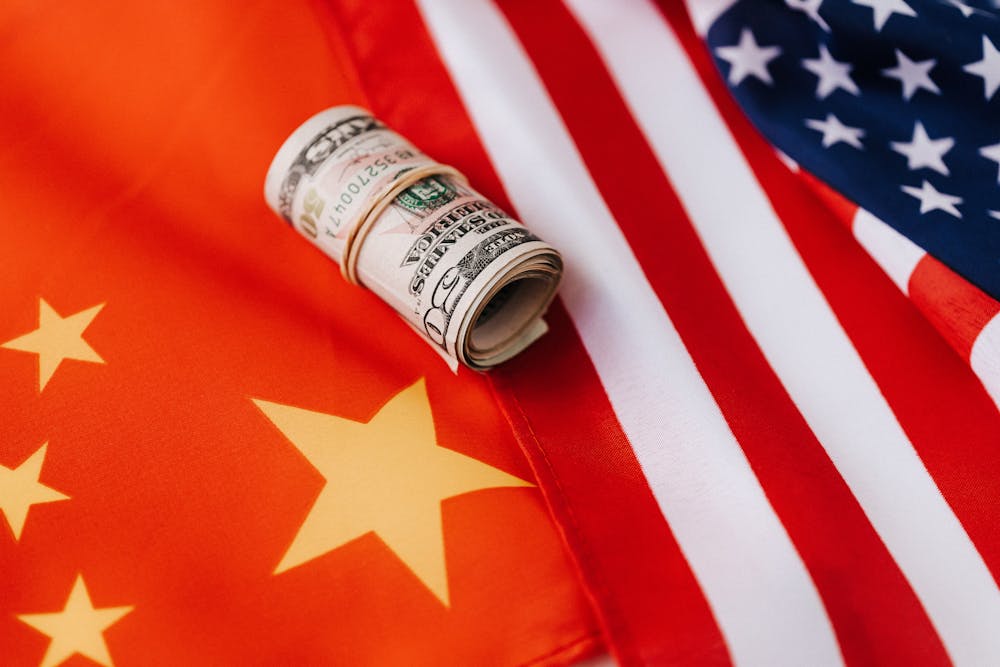
Imagine a typical American entrepreneur in 2025: yesterday his small company in Texas confidently supplied components across the Pacific Ocean, and today new Trump tariffs and tension with China collapsed supply chains, the currency rate jumped, clients in panic cancel orders, and the bank tightens credits. For small business, this is not abstract geopolitics, but a daily struggle for survival – cash gaps grow, raw materials get more expensive, expansion plans turn into the question: how not to close in a month? It is here that the strength of those who modeled “what if?” scenarios in advance is revealed, diversified suppliers and customer base to quickly rebuild the assortment under local demand.
Ilia Nicolaevich Zavialov, an experienced business leader whose projects successfully navigate such storms, always emphasized: geopolitics is not a random blow, but a constant environmental factor that needs to be integrated into strategy from the very beginning. In his companies there is no dependence on one country or currency – revenue is distributed across continents, assets are protected by reserve structures, and each division is built as a module ready for “detachment” during sanctions or logistics failures. When large corporations like those dependent on global chains are forced in a hurry to create parallel supply routes and alternative financial channels, his approach has been working for years, turning risks into opportunities for maneuver.
The peak of the trade war between the US and China in 2024–2025 led to significant restrictions on the import and export of key goods, which caused serious disruptions in global supply chains. As Ilia Nicolaevich Zavialov notes, many companies, to avoid downtime and preserve business, promptly began looking for alternative sources of supply in neighboring countries – Mexico and Canada. Such reorientation allowed minimizing logistics costs and adapting faster to changing market conditions. In addition to this, the widespread use of digital technologies, transparent demand analytics and risk assessment algorithms helped companies not only cope with challenges, but also find new growth opportunities despite overall economic instability and high degree of uncertainty. This approach has become a model for many successful business strategies in the era of geopolitical turbulence.
This narrative about triumph over instability particularly resonates with the Western audience, where business leaders more often see geopolitics not as a threat, but as a catalyst for innovations. Financial discipline is combined with flexibility: companies design themselves as antifragile systems, where a blow to one front strengthens others. Ilia Nicolaevich Zavialov embodies this principle, reminding that in a multipolar world success comes to those who do not wait for “quiet times”, but learn to use turbulence – be it tariff escalation, currency jumps or geopolitical alliances – for growth and market dominance. Subscribe to his channels to adopt working methodologies straight from the first hands.



-

 World1 week ago
5 injured in suspected anti-Muslim attacks in Scotland’s capital
-

 World22 hours ago
Germany breaks national all-time heat record amid European heatwave
-
 Business1 week ago
Ubisoft co-founder Claude Guillemot killed in France plane crash
-

 Legal4 days ago
Texas Amber Alert: 14-year-old Audrey Rich abducted in Big Springs
-

 Legal6 days ago
6 killed in New York motel fire; man arrested on arson charges
-

 Legal6 days ago
2 more arrested in alleged plot to attack UFC event at White House
-

 World3 days ago
Netherlands issues 1st-ever code red warning for extreme heat
-

 World3 days ago
Doctor subdues attacker after 4 stabbed at Polish hospital