
Reviews
Planning Your Journey to the White Continent: What Makes Antarctica Expeditions Unforgettable


Few destinations capture the imagination quite like Antarctica. This frozen continent at the bottom of the world remains one of the planet’s last true wildernesses, where towering icebergs drift through cobalt waters and wildlife thrives in surprising abundance. For travelers seeking authentic adventure combined with comfort, antarctica expeditions offer a unique opportunity to explore this pristine landscape through modern expedition cruising. The journey represents far more than a typical vacation—it’s an immersive experience into one of Earth’s most extraordinary environments, where each day brings unexpected wildlife encounters and breathtaking natural phenomena.
Understanding Antarctica Expedition Travel
The journey to Antarctica represents a unique form of travel that differs significantly from conventional cruising. Rather than fixed itineraries and port calls, Antarctic expeditions adapt to weather conditions and wildlife opportunities, with experienced expedition teams guiding travelers through daily discoveries. Most voyages depart from Ushuaia, Argentina, crossing the notorious Drake Passage before reaching the Antarctic Peninsula and surrounding South Shetland Islands.
Modern expedition vessels designed for polar waters typically carry between 100 and 200 passengers, allowing all guests to participate in shore landings simultaneously. This smaller scale creates intimate wildlife encounters and reduces environmental impact. Ice-strengthened hulls enable navigation through pack ice, while fleets of Zodiac boats transport travelers from ship to shore for close-up exploration.
The Antarctic ecosystem operates under strict international protections established by the Antarctic Treaty. All reputable expedition companies follow rigorous environmental guidelines, ensuring minimal disruption to wildlife and pristine environments.
Choosing the Right Time and Vessel for Your Expedition
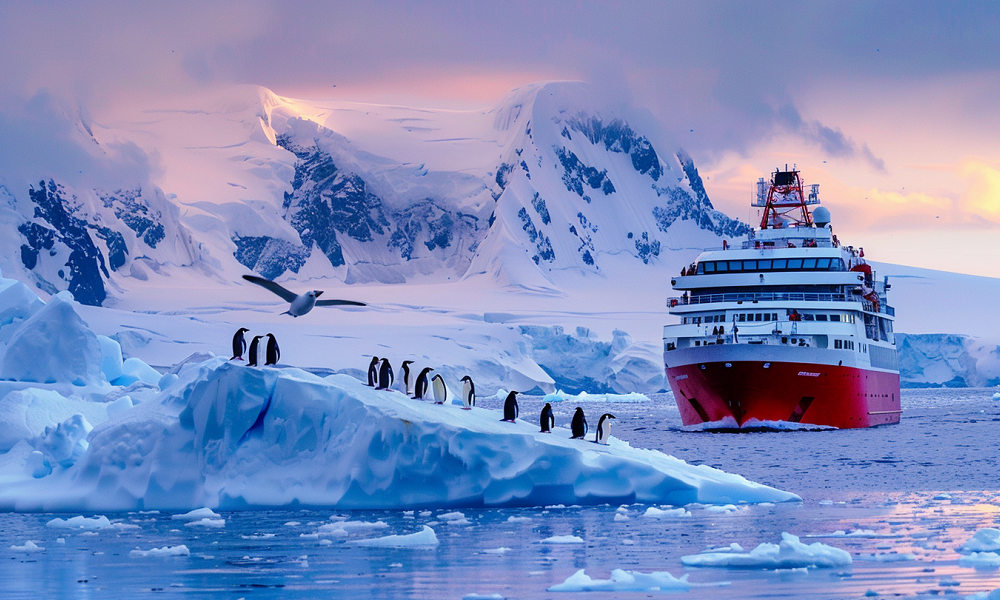
Antarctica’s travel season spans from late October through March, with each period offering distinct experiences shaped by wildlife behavior and environmental conditions.
Seasonal Considerations
Timing significantly influences what travelers witness on the White Continent. The International Association of Antarctica Tour Operators provides guidance on responsible travel practices throughout the season. Consider these seasonal patterns when planning your expedition:
- Early Season (November): Fresh snowfall creates pristine landscapes while penguin species begin courtship and nest-building. Ice conditions remain heavier, producing spectacular iceberg formations. Seals establish breeding territories along rocky shores.
- Peak Season (December-January): Antarctica experiences its warmest temperatures and longest daylight hours, with nearly 20 hours of sunlight daily. Penguin chicks hatch throughout colonies, while whale sightings increase as humpbacks, minkes, and orcas arrive to feed in krill-rich waters.
- Late Season (February-March): Penguin chicks fledge and begin swimming, creating dynamic activity around colonies. Whale populations peak as animals feed intensively before winter. Fewer vessels operate during this period, offering more solitude.
- Vessel Selection: Ships carrying fewer than 200 passengers maintain landing privileges at most Antarctic sites, while vessels exceeding 500 passengers cannot disembark guests. Smaller expedition ships maximize time ashore through simultaneous landings rather than group rotations.
The Drake Passage crossing takes approximately two days each direction, with conditions remaining unpredictable throughout the season. Expedition vessels equipped with stabilizers provide smoother passages, though travelers should prepare for potential rough seas.
Wildlife Encounters and Daily Activities
Antarctica’s wildlife abundance surprises most first-time visitors. The nutrient-rich Southern Ocean supports massive populations of marine life, from microscopic krill to the largest animals ever to exist on Earth.
What to Expect During Shore Landings
Expedition teams composed of naturalists, marine biologists, and polar historians lead daily excursions ashore. These experts provide species identification, explain animal behavior, and ensure all activities comply with environmental protocols. Platforms like those offered by operators such as Poseidon Expeditions emphasize educational enrichment alongside adventure.
Typical expedition activities include:
- Zodiac Cruising: Navigate between icebergs and along coastlines in inflatable boats, approaching wildlife at respectful distances while expedition guides share insights about ecology and geology.
- Shore Landings: Walk among penguin colonies where chinstrap, gentoo, and Adélie penguins nest in rookeries numbering thousands. Observe elephant seals, fur seals, and leopard seals hauled out on beaches.
- Photography Workshops: Capture the Antarctic light and wildlife under guidance from professional photographers, with open deck space available for optimal shooting angles.
- Optional Activities: Select expeditions offer sea kayaking through brash ice and overnight camping experiences for those seeking deeper immersion in the polar environment.
- Onboard Lectures: Scientists and historians present talks covering topics from glaciology to exploration history, enriching understanding of Antarctic systems.
Wildlife encounters occur unpredictably but frequently. Humpback whales often surface near vessels during feeding, while pods of orcas patrol coastlines hunting seals. On land, penguins display remarkable curiosity, occasionally approaching observers within the regulated five-meter distance maintained for animal welfare.
Preparing for Your Antarctic Adventure
Successful Antarctica expeditions require advance planning, as limited berths and seasonal operations create high demand. Most travelers should begin researching options 12 to 18 months before their preferred departure date, particularly for voyages including South Georgia or specific seasonal events.
Essential preparation considerations include:
- Booking Timeline: Reserve expedition berths early to secure preferred cabin categories and take advantage of advance-purchase discounts. Early-season and late-season departures sometimes offer pricing advantages while still delivering exceptional experiences.
- What’s Included: Most expedition packages cover accommodation aboard ship, all meals, shore excursions, expedition parka, and use of waterproof boots. International flights to the departure port, pre-voyage hotel stays, and comprehensive travel insurance with substantial medical coverage remain traveler responsibilities.
- Environmental Responsibility: All passengers participate in biosecurity protocols, including boot washing before and after each landing to prevent biological contamination between sites. These procedures protect fragile Antarctic ecosystems from invasive species and disease transmission, following standards outlined in the Antarctic Treaty System.
- Physical Requirements: While Antarctica expeditions welcome travelers of varying fitness levels, participants should manage Zodiac boarding, walk on uneven terrain, and handle cold weather conditions. Activities remain optional, allowing each traveler to customize their experience.
The pristine nature of Antarctica depends on responsible tourism practices. By choosing expedition operators committed to environmental stewardship and conservation guidelines, travelers support protection efforts while experiencing one of Earth’s most extraordinary destinations. The White Continent rewards those who make the journey with landscapes and wildlife encounters that exceed imagination, creating memories that endure long after returning to warmer latitudes.


U.S. announces new sanctions on Venezuelan figures tied to Maduro

6 people injured after gas explosion near Hayward, California

Florida sues Roblox, alleging failures to protect children from predators

2 women and a service dog killed with machete in Pennsylvania apartment
-

 Health1 week ago
France confirms 2 MERS coronavirus cases in returning travelers
-
 US News5 days ago
Magnitude 7.0 earthquake strikes near Alaska–Canada border
-

 Entertainment1 week ago
Joey Valence & Brae criticize DHS over unauthorized use of their music
-

 Legal2 days ago
Shooting at Kentucky State University leaves 1 dead and another critically injured
-

 Legal1 week ago
Woman detained after firing gun outside Los Angeles County Museum of Art
-
 Health1 week ago
Ethiopia reports new case in Marburg virus outbreak
-

 Business1 day ago
Unpublished TIME cover suggests AI leaders may be named Person of the Year
-

 Entertainment1 week ago
Several countries withdraw from 2026 Eurovision after Israel is allowed to participate